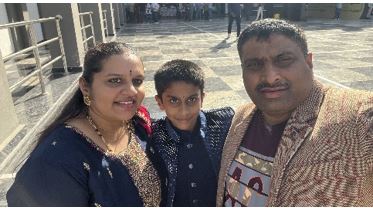

“Children must be taught how to think, not what to think,” said Margaret Mead, and nowhere does that feel truer than in raising Gen Z. I find myself negotiating screen time like a diplomat, deciphering cryptic texts, and racing to decode their codewords before it evolves again. My Gen Z child, born in 2011, has grown up with technology in his hands, information at his fingertips, and the weight of the world on his screen. Parenting him sometimes feels like trying to teach swimming in a digital ocean that never stops moving.
Unlike when I was a child, my kids are not just consuming content; they are constantly creating it. From TikTok sketches to YouTube experiments and AI curiosities, their voices are everywhere, and everything they do is amplified online. This independence is thrilling, but it also brings challenges. How do I protect them without controlling them? How do I guide them without suffocating their autonomy?
Communication is where I notice the biggest shift. They don’t just want to be told what to do; they want to be heard. Questions come fast and often, sometimes when I’m least prepared. It can feel disrespectful, but I remind myself that they are growing up with awareness I never had: they understand the language of mental health, identity, and social justice. Their insistence on speaking their truth is not rebellion; it’s literacy in the emotional and social world they live in.
Mental health is a daily conversation in our home. My kids are open about anxiety, stress, and burnout in ways that previous generations might have hidden. Social media comparisons, school pressure, and global crises press on them constantly. I can’t just be a caregiver anymore; I have to be a listening ear, a sounding board, a safe space. Validating feelings has become as important as teaching maths or manners.
And then there are the screens. Phones, tablets, laptops are tools for learning and connection, but they are also traps for insecurity and distraction. I’ve learned that banning them outright only drives them to find another way to get to them. Balance is the answer. We have tech-free time, honest conversations about online safety, and mutual agreements on boundaries. I’ve found myself putting down my own phone more often. Sometimes the lesson is leading by example.
Yet, what fascinates me most is their sense of purpose. They care about climate change, equality, mental health, and the future in ways that can be overwhelming but inspiring. I support their passions, even when they don’t fit the traditional paths I once imagined.
Parenting Gen Z has made me rethink everything I thought I knew. Control often backfires, authority must yield to understanding, and politeness, once a given in friendships, is now a skill my kids wield carefully. I worry sometimes that their niceties might make them vulnerable to toxic friendships online. Even after cutting off harmful relationships, the constant exposure to those social networks can tug them back, subtly pressuring them to compromise their boundaries. I have to teach them to recognize these patterns, and also to trust their own emotional instincts.
At the end of the day, the rewards outweigh the challenges. When I see my child speak their truth, defend their values, and show empathy to others, I realize I’m not raising a difficult generation. I’m witnessing courage, creativity, and resilience in action. Walking beside them instead of ahead of them has taught me more than I ever expected, and I can’t help but feel hopeful for the wiser, kinder world they are poised to shape.
Chetna Nawani: Parent of Jaivardhan Nawani, 9H