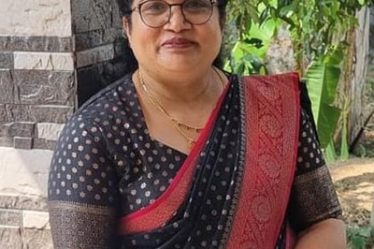

Leadership lessons often arrive in the most unexpected places. For me, they came through curious students, overflowing recycling bins, and the quiet transformation of a school community embracing sustainability. Over my 23 years at Delhi Private School Sharjah, I have discovered that leading sustainability is not about campaigns or awards—it is about cultivating awareness, responsibility, and a shared sense of purpose.
As a Biology teacher, sustainability was never just an extracurricular pursuit—it was the living extension of my subject. Biology provided the perfect lens to explore ecosystems, conservation, and the science behind sustainable practices. With every lesson, I found opportunities to connect curriculum with real-world action: composting to explain decomposition, water cycles linked to conservation, and biodiversity tied to school gardens. Subject and passion merged seamlessly, and this combination allowed my potential to flourish. What began as classroom teaching evolved into a larger mission—embedding sustainability into the very fabric of school life.
I vividly recall our first school-wide sustainability initiative. Armed with charts and checklists, I expected students to simply follow instructions. Instead, a group of Grade 8 students surprised me with a proposal to monitor water usage in the school garden. They had sketched ideas, calculated savings, and even designed an irrigation schedule. Watching them, I realized that true leadership was not mine alone—it was emerging in them.
There were lighter moments too. Once, a student spilled a bin of compost across the corridor floor. Instead of frustration, laughter filled the room, and we turned it into a lesson on waste segregation, composting, and decomposition. Such moments reminded me that sustainability is rarely neat—it is messy, sometimes humorous, and always full of learning.
Yet, one of the greatest challenges was not with children, but with adults. Convincing colleagues to change routines or adopt new habits often required patience and persistence. Children, on the other hand, were easy to inspire—they embraced eco-conscious practices with curiosity and joy. This contrast taught me that leadership in sustainability is as much about guiding adults to believe and act as it is about nurturing the natural enthusiasm of young learners.
A defining milestone came during the MladiAl Biah Croatia–UAE Student Exchange Program, hosted by our school. Watching our students present eco-initiatives, collaborate with peers worldwide, and embody the values we had nurtured filled me with deep pride. We had moved beyond certificates and awards to the true essence of sustainability: shaping global citizens with awareness, empathy, and action.
Earning the first Green Flag in 2014 with only 4 schools in UAE it symbolized more than recognition of policies—it celebrated a culture we had built together. Every sapling planted, every classroom waste reduced, every light switched off contributed to this achievement. Leadership, I realized, is not about being in front—it is about walking alongside others, nurturing curiosity, celebrating small victories, and turning awareness into action.
Today, as I walk through the halls, gardens, and classrooms of Delhi Private School Sharjah, I feel immense pride and gratitude. I see students transforming old t‑shirts into reusable bags, designing vibrant posters from recycled materials, and leading eco‑conscious initiatives with creativity and conviction. Biology and sustainability together have taught me that leadership is less about instruction and more about inspiration, patience, and belief in the collective potential of a community. As our students continue to embrace sustainable habits and share their learnings globally, I am confident that the seeds we plant today will flourish far beyond our school walls—and soon, we will once again achieve the highest accreditation in sustainability-the Green Flag!
Ms. Anjum Hasan
Supervisor Holistic Environment& Sustainability