

One teaching strategy that worked effectively in my Grade 3 computer class was learning through collaboration while using Tinkercad. Instead of working individually, I grouped students in pairs (Turn to your partner-TTYP) and assigned them a simple design task such as creating a 3D model of a birthday cake or a robot using basic shapes.
This strategy encouraged students to communicate, plan, and experiment together. They discussed which shapes to use, adjusted sizes, and chose appropriate colors for their designs. The classroom atmosphere became lively and creative as students explored Tinkercad’s tools and shared ideas with one another.
During the activity, I observed one pair designing a robot model. One student said, “Let’s use a cylinder for the body,” while the partner replied, “Yes, and a sphere can be the head—make it bigger!” When their model did not appear correctly on the workplane, one student asked, “Why is it going inside the ground?” and the other responded, “We need to lift it up using the arrow tool.” Through this short exchange, they solved the problem together, learning through discussion and peer support.
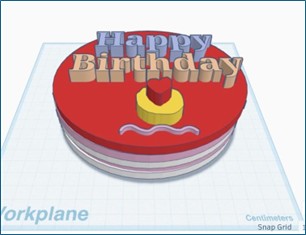
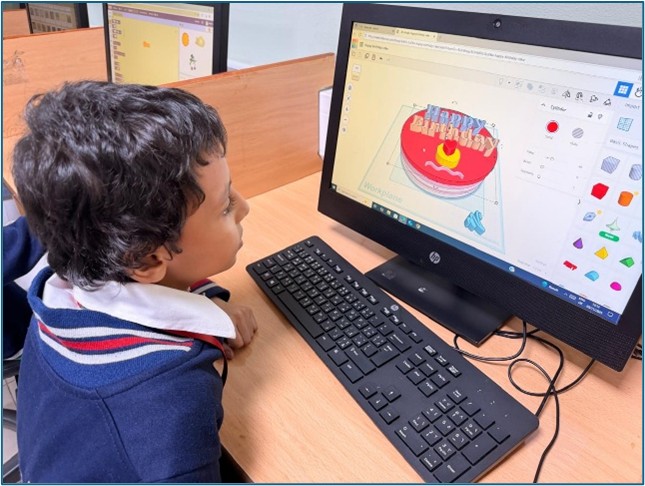
The strategy worked because it made the lesson hands-on, engaging, and student centered. Collaboration allowed students to express their creativity while developing problem-solving and digital design skills. Even students who were initially hesitant to use the software became confident after seeing their group’s progress.
At the end of the class, each group proudly presented their 3D designs. Their sense of achievement and teamwork was clearly visible. This activity not only strengthened their understanding of Tinkercad tools but also taught them valuable life skills like cooperation, patience and creativity.
Collaborative learning truly turned the Tinkercad lesson into a fun and memorable experience for my Grade 3 students. Encouraging collaboration, even in a computer class, helps students learn from one another and stay motivated. A small group task can make a big difference in keeping young learners engaged and confident.
HOD COMPUTER SCIENCE (PRIMARY WING)