
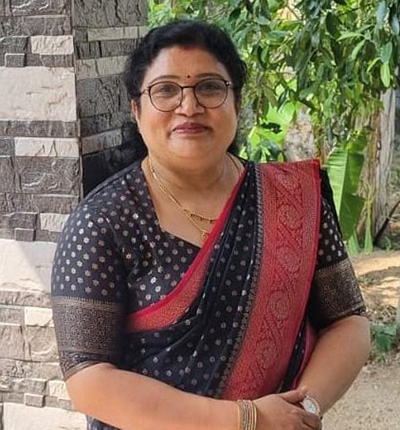
Teaching is a joy, and with the right strategies, it becomes incredibly rewarding. I’m constantly looking for high-impact teaching methods, and one strategy my department has found incredibly effective is role-play. This approach is powerful because it transforms abstract concepts into interactive, real-world learning experiences, making lessons immediately relevant and engaging for the students.
For our Grade 5 unit on Indian elections and government formation, I decided to implement a full-scale role-play activity. My goal was for the students to have a hands-on, educational experience that successfully introduced them to the democratic process.
To manage the activity, I created four political parties mirroring the national landscape—the Bharatiya Janata Party (BJP), Aam Aadmi Party (AAP), Indian National Congress (INC), and Communist Party of India (CPI)—and assigned roles ranging from party leaders and candidates to campaign managers, voters, and even election officials like the presiding officer. The students were tasked with preparing manifestos focused on highly relevant, student-friendly issues, such as longer recess periods, improved school facilities, healthier cafeteria options, and more sports equipment.
The level of enthusiasm and engagement I witnessed was exceptional. Crucially, the voting process was handled with care, using paper ballots and a secure ballot box. This step ensured they understood the necessity of secret ballots and fair elections—a fundamental lesson in democracy.
Through this hands-on simulation, my students were able to internalize core democratic concepts, including the right to vote, the significance of multiple parties, and the power citizens have in decision-making. Beyond the curriculum, the activity honed their critical thinking skills as they evaluated party promises and recognized the responsibility of being an informed voter. It was also a fantastic way to foster essential skills like teamwork, public speaking, and respect for diverse viewpoints, all vital components of active citizenship.
Looking ahead, I plan to extend the time allotted for campaign preparation to allow students to develop even more intricate and detailed manifestos. Overall, I feel the activity was highly successful in meeting the unit’s learning objectives and truly sparking genuine interest in India’s democratic process among my students.
KAVITHA A.S, HOD – (Grade 3-5), SOCIAL STUDIES