
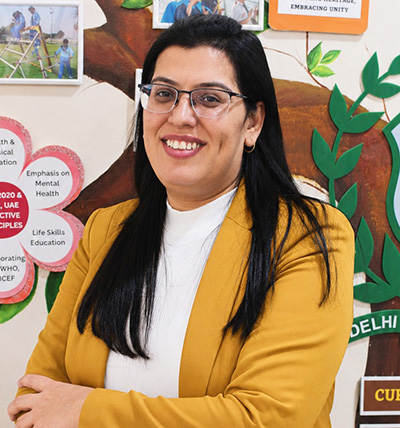
If you want to understand the real meaning of “hybrid learning,” don’t ask the teachers, students, or IT department. Ask the poor soul sitting at the school front desk.
One day, I’m making sure ministry protocols are followed, ensuring children stay away from outdoor activity areas, and reminding students not to run in the corridor. The next day, at 9:47 p.m., an email arrives:
“Dear Parents, classes will continue online until further notice.”
By 9:48 p.m., my phone starts ringing like I’m operating a crisis hotline.
“My child left notebooks in the classroom locker. Is there any way to get them?”
“Should my child wear a uniform online?”
“I will be at work. What if my child faces difficulty joining the class on time?”
Somewhere between answering calls, updating transport lists, and forwarding emergency circulars, I sometimes feel that while the modern era of convenience has made learning easier for students, it has made the jobs of every other school stakeholder far more complex.
Let me explain. The ongoing tensions discussed in news studios may seem distant to many people, but for schools here, they quietly change everyday life. One announcement overseas can suddenly turn classrooms into Teams windows overnight.
What people often do not see is the amount of preparation happening behind the scenes. Even while online learning continues, schools constantly prepare for emergency situations. Teams review safety procedures, conduct drills, identify safe zones within the campus, and train both children and staff to respond calmly and quickly if alerts are received during school hours.
For students, it may feel like just another sudden change in routine. For schools, it is a responsibility that goes far beyond academics. Every decision is taken with one priority in mind: safety.
Teachers redesign lessons overnight. IT departments function like emergency response teams. Parents balance office work while helping children log into classes. And as for us at the front desk, we may not appear in school brochures or annual day performances, but somewhere between emergency drills, parent calls, attendance updates, and last-minute announcements, we have unknowingly become experts in multitasking, patience, and controlled chaos.
Yet amid all the uncertainty, one thing stands out clearly: Resilience.
Schools in the UAE have learned how to adapt quickly without allowing education to stop. Whether classes happen inside a classroom or through a screen at home, learning continues because thousands of people quietly work together behind the scenes every single day.
Perhaps this period is teaching children lessons no textbook can fully explain how to stay calm during uncertainty, how to adapt quickly, and how communities function best when everyone works together.
Chetna Navani: Front Office Executive